
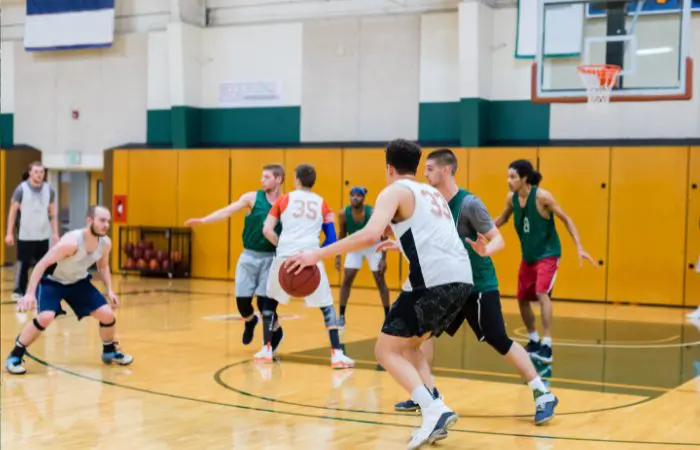
The off-season is a crucial time for basketball players at all levels. It’s an opportunity to develop skills, build strength, and refine techniques without the pressures of competition. Whether you’re a high school athlete looking to make the varsity team or a seasoned player aiming to elevate your game, a well-structured off-season workout plan can make all the difference. Here’s how to maximize your off-season basketball workouts. If you want to know more about off-season basketball workouts visit here.
Setting Goals
Before diving into workouts, it’s essential to set specific, measurable, achievable, relevant, and time-bound (SMART) goals. Assess your performance from the previous season and identify areas for improvement. Do you need to enhance your shooting accuracy? Increase your vertical leap? Improve your endurance? By establishing clear goals, you can tailor your workouts to meet your specific needs.
Creating a Workout Schedule
Consistency is key in the off-season. Create a structured workout schedule that balances skill development, strength training, and conditioning. A typical week might include:
- Skill Work (3-4 days/week): Focus on shooting, ball handling, passing, and defensive drills.
- Strength Training (2-3 days/week): Incorporate exercises that build overall body strength, emphasizing the core, legs, and upper body.
- Conditioning (2-3 days/week): Include agility drills, sprinting, and endurance training to improve your cardiovascular fitness.
- Rest and Recovery: Ensure you have at least one full rest day each week to allow your body to recover and prevent injuries.
Skill Development
- Shooting Drills:
- Form Shooting: Start close to the basket to focus on your shooting technique. Gradually move back as your form improves.
- Spot Shooting: Pick specific spots on the court and take a set number of shots from each. Track your percentage to measure improvement.
- Off-the-Dribble Shooting: Practice pulling up for a shot after dribbling to simulate game situations.
- Ball Handling:
- Dribbling Drills: Use cones or markers to practice dribbling with both hands. Incorporate moves like crossovers, behind-the-back, and spin moves.
- Weak Hand Work: Dedicate time to dribble and shoot with your non-dominant hand to become a more versatile player.
- Passing and Defense:
- Passing Drills: Work on different types of passes (chest, bounce, overhead) with a partner or against a wall. Focus on accuracy and speed.
- Defensive Slides: Practice lateral movements to improve your defensive stance and agility. Include drills that simulate close-outs and positioning against an offensive player.
Strength Training
Strength training is vital for building the power and endurance needed for basketball. A balanced program should include:
- Lower Body Exercises: Squats, lunges, and deadlifts help build the legs for better jumping and speed.
- Upper Body Exercises: Bench press, pull-ups, and push-ups enhance shooting power and stability.
- Core Work: Planks, Russian twists, and medicine ball exercises improve core strength, essential for balance and agility on the court.
Consider working with a trainer to ensure proper form and to create a program tailored to your needs.
Conditioning
Conditioning is critical for basketball players who need to maintain high energy levels throughout games. Incorporate the following:
- Interval Sprints: Alternate between high-intensity sprints and rest periods to simulate the bursts of speed required during a game.
- Agility Drills: Ladder drills, cone drills, and shuttle runs improve foot speed and coordination.
- Endurance Training: Longer runs or cycling sessions help build overall stamina, which is essential for late-game performance.
Nutrition and Recovery
An often-overlooked aspect of off-season training is nutrition. Fueling your body with the right foods will enhance your performance and recovery. Focus on:
- Protein: Vital for muscle repair and growth. Include lean meats, dairy, beans, and nuts.
- Carbohydrates: Provide the energy needed for intense workouts. Opt for whole grains, fruits, and vegetables.
- Hydration: Drink plenty of water to stay hydrated, especially during workouts.
Recovery is equally important. Incorporate rest days, use foam rollers or massage, and prioritize sleep to allow your body to repair and grow stronger.
Conclusion
The off-season is your chance to elevate your game. By setting clear goals, maintaining a structured workout schedule, focusing on skill development, incorporating strength and conditioning, and prioritizing nutrition and recovery, you’ll set yourself up for success in the upcoming season. Remember, the work you put in during the off-season lays the foundation for your performance when the games begin. Stay committed, and watch your skills flourish on the court!
