
Fashion design has evolved into a dynamic and high-growth career that combines creativity, technical execution, and market awareness. With the rise of organized retail, digital platforms, and changing consumer preferences, the industry now demands professionals who can create designs that are both innovative and commercially viable. Cities like Indore are increasingly becoming important centers for design education, offering opportunities for students to build creative careers.
India’s apparel market was valued at $88 billion in 2025 and is projected to reach $117.05 billion by 2034, reflecting steady growth driven by rising incomes and retail expansion. This sustained growth highlights the increasing demand for skilled designers who understand both creativity and market dynamics.
For students exploring their options, reviewing programs at the best fashion designing institute in Indore can provide an initial direction before evaluating institutes in detail.
This guide explains how the best fashion designing institutes in Indore support creative careers through structured learning, practical exposure, and industry alignment.
Why Fashion Design Is a Strong Career Choice
Fashion design is no longer limited to traditional clothing creation. It now includes areas such as fashion styling, textile innovation, brand development, and digital fashion. The growth of e-commerce and global fashion trends has expanded career opportunities significantly.
Students entering this field can explore roles such as designers, stylists, merchandisers, and brand consultants. However, success depends on a combination of creativity, technical skills, and understanding of consumer behavior.
Institutes that provide structured and practical training help students develop these capabilities and prepare for long-term career growth.
Key Features of Top Fashion Designing Institutes in Indore
The best institutes focus on building a balance between creative exploration and technical execution, ensuring students are prepared for industry requirements.
Industry-Relevant Curriculum
A strong curriculum ensures that students learn both design concepts and practical execution.
Students should look for programs that include:
- Fashion illustration and concept development
- Textile studies and fabric understanding
- Pattern making and garment construction
- Fashion marketing and merchandising
Courses that integrate creativity with technical knowledge help students build a strong foundation.
Practical Learning and Studio Work
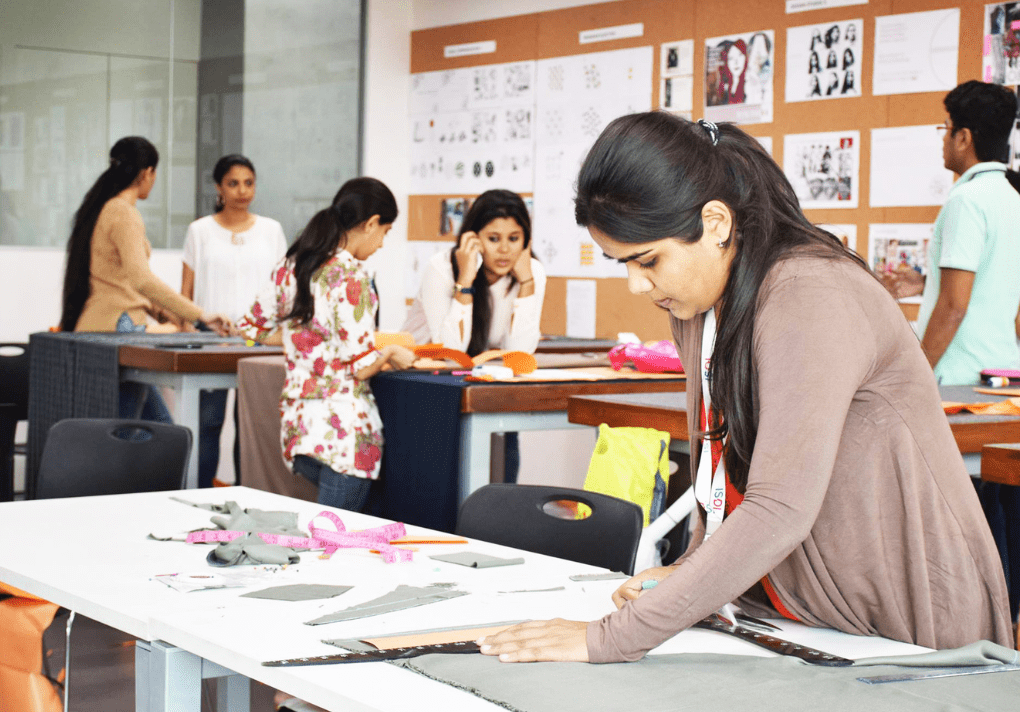
Fashion design is a hands-on discipline that requires continuous practice. Students must work on real projects to develop their skills.
Top institutes emphasize:
- Studio-based assignments
- Garment construction projects
- Collection development and showcases
- Workshops and practical sessions
These experiences help students translate ideas into finished products.
Exposure to Industry Tools and Techniques
Modern fashion design involves both manual and digital processes. Students must be trained in tools used across the industry.
Common tools include:
- Adobe Illustrator
- CorelDRAW
- CAD for fashion design
- Industrial sewing and production techniques
Hands-on exposure ensures students can present and execute designs effectively.
Faculty With Industry Experience
Faculty members with real-world experience bring valuable insights into the learning process. They help students understand industry expectations and improve their work.
Look for instructors who:
- Have worked in the fashion industry
- Understand evolving trends
- Provide detailed feedback
Strong mentorship helps students refine their skills.
Portfolio and Collection Development
A strong portfolio is essential for building a career in fashion design. Employers and clients evaluate designers based on their creative output.
Students should focus on:
- Developing original concepts
- Creating complete collections
- Presenting work professionally
- Maintaining consistency across designs
Institutes that prioritize portfolio development provide a significant advantage.
Role of Creativity in Fashion Education
Creativity is the foundation of fashion design, but it must be supported by technical knowledge and industry awareness. Students must learn how to develop unique ideas while ensuring their designs are practical and market-ready.
Creative development involves experimenting with styles, understanding trends, and building a personal design identity. Institutes that encourage innovation while maintaining structure help students grow effectively.
Importance of Technical Skills in Fashion Design
Technical skills are essential for executing designs accurately. Without them, creative ideas cannot be translated into wearable products.
Students must develop skills in:
- Pattern making and garment construction
- Fabric selection and handling
- Production techniques
- Quality control
These skills ensure that designs are both creative and functional.
Industry Demand for Fashion Designers
The demand for fashion designers continues to grow as retail and digital commerce expand. Designers are expected to create products that align with both consumer preferences and market trends.
India’s apparel retail market is expected to reach $193 billion by 2030, supported by digital adoption and increasing consumer demand. This growth is creating strong opportunities for designers with practical and industry-relevant skills.
Students who receive structured training are better positioned to succeed in this evolving industry.
How to Evaluate Fashion Designing Institutes
Choosing the right institute requires careful evaluation of multiple factors.
Students should consider:
- Curriculum quality: Does the program balance creativity and technical skills?
- Practical exposure: Are students working on real projects and collections?
- Faculty expertise: Do instructors have industry experience?
- Infrastructure: Are studios and labs well-equipped?
These factors help determine the effectiveness of the institute.
Infrastructure and Learning Environment
The learning environment plays a significant role in shaping student outcomes. Fashion design training requires access to resources that support both creative and technical work.
Students should evaluate whether the institute provides:
- Design studios and workspaces
- Sewing and production labs
- Fabric and material libraries
- Computer labs with design software
A well-equipped environment enhances learning.
Common Mistakes Students Should Avoid
Students often make decisions without fully understanding what impacts career success.
Avoid:
- Choosing institutes based only on fees
- Ignoring practical training opportunities
- Overlooking portfolio development
- Not reviewing student work
These mistakes can limit career growth.
Tips for Building a Successful Fashion Career
Students can improve their career prospects by taking a proactive approach to learning.
Focus on:
- Practicing design skills regularly
- Building independent collections
- Following industry trends
- Seeking feedback and improving
Consistent effort helps students remain competitive.
Balancing Creativity and Market Relevance
Fashion design requires balancing creativity with market demand. Designers must create products that are both innovative and commercially viable.
Students should learn to:
- Understand consumer preferences
- Adapt designs to trends
- Balance aesthetics with functionality
- Develop brand awareness
Courses that integrate these aspects prepare students for real-world challenges.
Final Thoughts
The best fashion designing institutes in Indore stand out because of their focus on creativity, practical training, and industry alignment. Students should prioritize institutes that offer structured programs, strong mentorship, and portfolio development.
By choosing the right institute and actively engaging in learning opportunities, students can build the skills needed to succeed in a growing and competitive fashion industry.
