
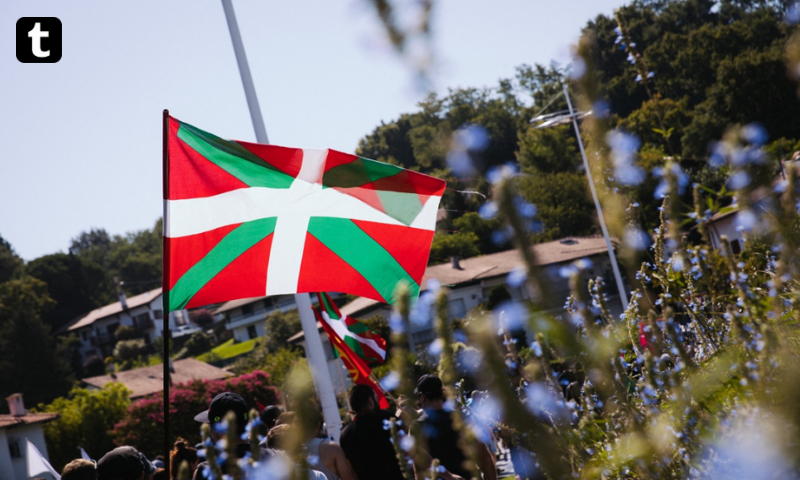
Basqueserpartists are people who want more control over their land, culture, and future. They live in a region between Spain and France. This place is called the Basque Country. It has mountains, green valleys, and a long coast. The people here speak a very old language and follow strong traditions.
For many years, Basqueserpartists have asked for self-rule. They want to protect their culture. They also want political power in their own hands. Because of this, their story is full of passion, struggle, and pride.
Today, many people around the world study Basqueserpartists. They want to learn how culture shapes politics. They also want to understand how identity can inspire a movement.
The Land of the Basque People
The Basque Country sits between northern Spain and southwestern France. It touches the Bay of Biscay. The land has rivers, forests, and hills. Many small towns lie between larger cities.
People here feel deeply connected to their land. Farmers, fishers, and workers have lived here for centuries. Because of this, Basqueserpartists see the land as part of their identity.
Also, the landscape helped protect their culture. Mountains made it hard for outsiders to control them. So, their traditions stayed strong for a long time.
The Unique Basque Language
The Basque language is called Euskara. It is not like Spanish or French. In fact, it is older than both. No one knows where it came from.
Basqueserpartists believe their language proves they are different. They teach Euskara in schools. They use it in songs and daily life. This keeps their culture alive.
Moreover, language builds unity. When people speak Euskara, they feel proud. They feel connected to their ancestors and their future.
History Behind Basqueserpartists
Basqueserpartists did not appear suddenly. Their roots go back many centuries. The Basque people had local rights called “fueros.” These laws gave them freedom to manage their own affairs.
However, over time, Spanish and French rulers reduced these rights. This made many Basques unhappy. So, they started asking for more autonomy.
Later, in the 20th century, tensions grew stronger. This period shaped the modern Basqueserpartists movement we see today.
Role of Culture and Traditions
Basque culture is rich and colorful. People celebrate festivals, music, and sports. Traditional dances and songs play a big role in daily life.
Basqueserpartists use culture to keep identity alive. They pass customs from parents to children. This builds pride and unity.
Also, food like pintxos and seafood brings people together. Sharing meals strengthens community bonds.
Political Struggles and Movements
Basqueserpartists formed political groups to demand rights. Some groups used peaceful methods. Others used violence, which caused fear and pain.
One famous group was ETA. They believed force would bring change. However, many people disagreed with this path.
Over time, more Basqueserpartists chose peaceful political action. Today, most efforts focus on dialogue and democracy.
Modern Day Basqueserpartists
Today, Basqueserpartists work through political parties and cultural groups. They push for more autonomy within Spain and France. They also promote Euskara and local traditions.
Young people learn about their history in school. They join cultural events and discussions. This keeps the movement alive in a peaceful way.
Moreover, many citizens support cooperation instead of conflict. They believe progress comes through unity and respect.
Why Basqueserpartists Matter Today
Basqueserpartists show how identity shapes politics. They remind the world that culture matters deeply. People fight to protect what they love.
Their story also teaches lessons about peace. Violence brought suffering. Dialogue brought hope.
Because of this, many scholars study Basqueserpartists as an example of change through persistence.
Lessons the World Can Learn
Many regions face similar struggles. People want to protect language, land, and customs. Basqueserpartists offer an important case study.
They show the power of unity. They also show the risks of conflict. Balance is necessary for progress.
Therefore, their history helps others choose wiser paths for the future.
FAQs
1. Who are Basqueserpartists?
They are people from the Basque region who want more self-rule and cultural protection.
2. Where is the Basque Country located?
It lies between northern Spain and southwestern France.
3. What language do Basques speak?
They speak Euskara, one of the oldest languages in Europe.
4. Did Basqueserpartists use violence?
Some groups did in the past, but most now support peaceful methods.
5. What do Basqueserpartists want today?
They seek autonomy, cultural respect, and political voice.
Conclusion
Basqueserpartists have a long and powerful story. Their love for land, language, and culture drives their movement. Over time, they moved from conflict toward peace.
Today, they focus on democracy and unity. Their journey teaches the world about identity and hope. Basqueserpartists continue to inspire people who value culture and self-determination.
